


Ever had a coach call out mid-class that a move is "great for runners" and wondered why? Every featured exercise during Run Stronger this August was chosen for exactly that reason: it directly benefits runners. Not generic strength work but movements built to target the exact muscles that power your stride and hold your form together when fatigue starts to set in.
Here's the full breakdown of all eight, in the order they rolled out across the month.
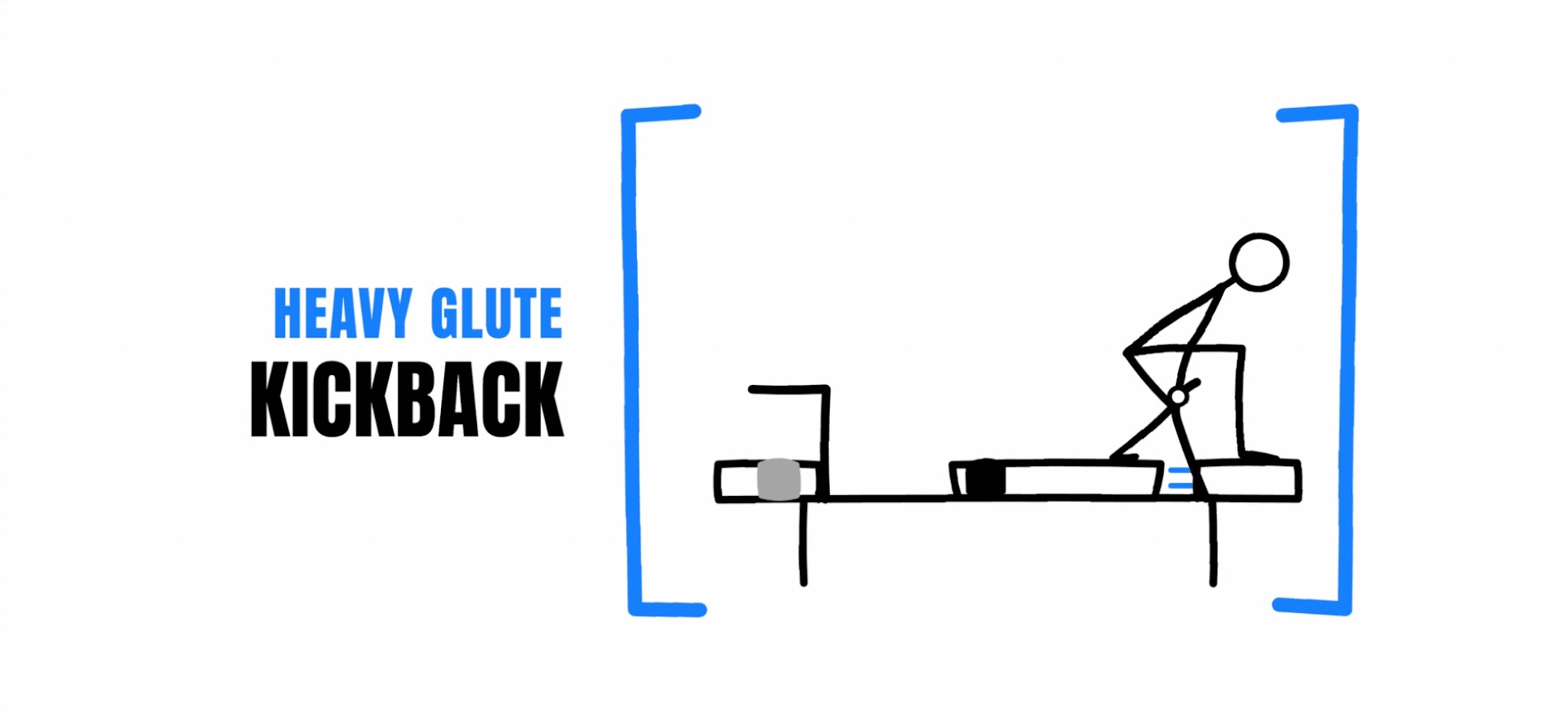
Heavy Glute Kickback Targets: Glutes and hamstrings
Your glute max and hamstrings are the engine of forward motion. This exercise drives hip extension directly, the same movement that powers every push-off when you run. Strengthening these muscles boosts your speed and power output, while also taking pressure off your knees and lower back, meaning more power per stride and less wear on the joints that take the brunt of every mile.
Deadbug Targets: Abdominals, hip flexors
As you run, your abs and hip flexors work together to drive your knees forward and keep your torso stable. Deadbug trains that exact coordination. A strong core prevents your trunk from twisting or sagging as fatigue sets in, while strong hip flexors help you lift your knees higher and quicker, improving both stride turnover and speed, and reducing strain on your lower back and hips along the way.
These moves haven't gone anywhere. Book a class and feel them for yourself.
Bulgarian Split Squat with Rotation Targets: Glutes
Your outer glutes, the medius and minimus, stabilize your hips, keeping them level so your knees don't cave with every stride. This single move trains both roles at once, and stronger glutes mean better form, more efficiency, and a lower risk of overuse injuries like IT band syndrome and runner's knee.
Kneeling Lat Row Targets: Latissimus dorsi (lats)
Most runners never think about their back muscles, but your lats are doing real work on every run: powering arm drive and stabilizing your torso's rotation. A strong back helps you stay tall and avoid the slouch that creeps in as you fatigue over long distances. It's the difference between form that holds and form that collapses.
Sumo Inner Thigh Squat Targets: Adductors
Your inner thighs stabilize your hips and control side-to-side movement, keeping your legs tracking efficiently instead of wobbling or collapsing inward, which protects your knees from excess strain. Strengthening your adductors improves push-off power and lateral stability, especially useful on turns, trail terrain, or uneven ground.
Kneeling Cable Rotation Targets: Obliques
Your obliques control rotation through your torso, keeping you stable as your arms and legs swing in opposition. They're also one of the first things to fatigue on a long run, which is exactly when your lower back starts to feel it. Training them directly builds the rotational stability that protects your spine when you're deep into the miles.
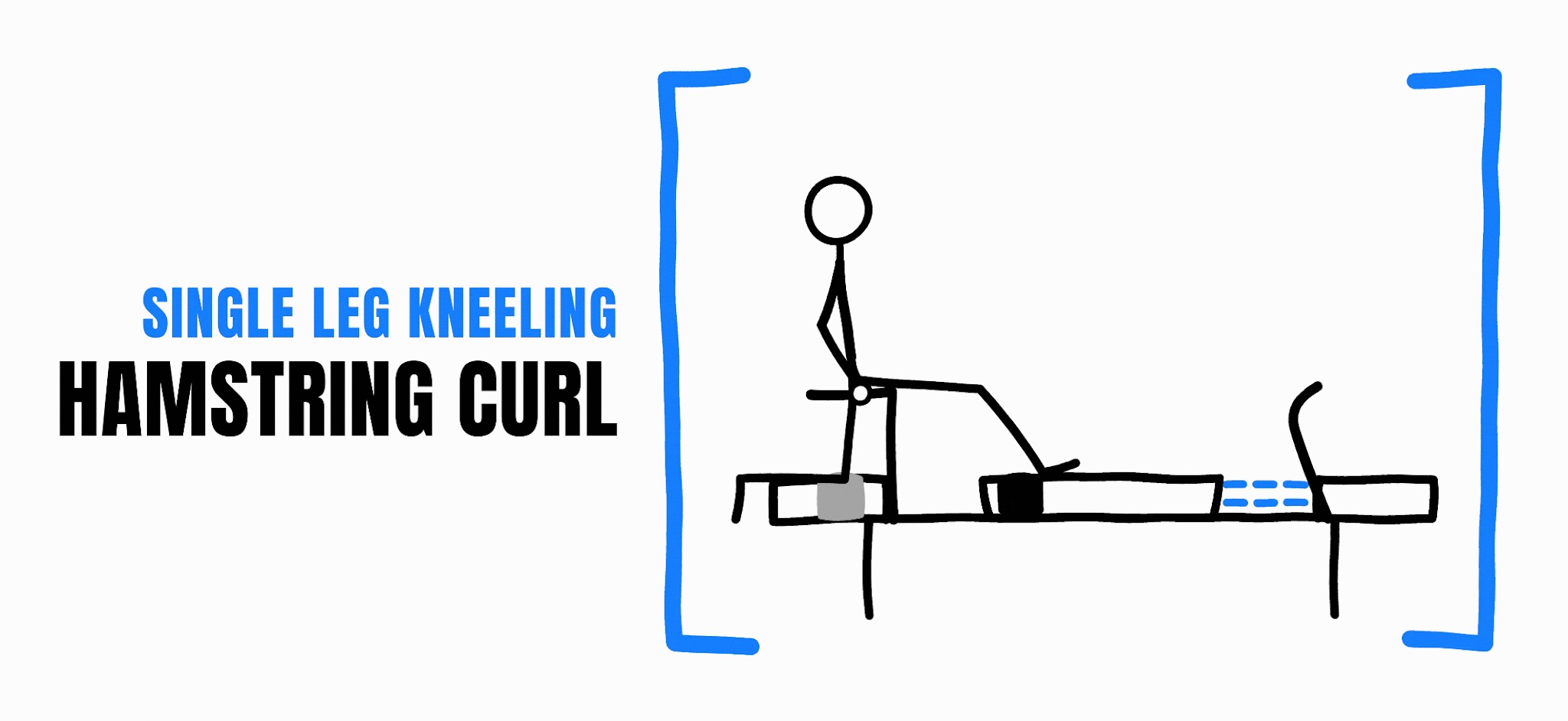
S/L Kneeling Hamstring Curl Targets: Hamstrings
This move isolates the hamstring to build strength where runners need it most: more power when you push off the foot, and smoother, more controlled deceleration as your leg swings forward before each strike. Stronger hamstrings mean more speed and fewer strain injuries, one of the most common ailments in the sport.
S/A Kneeling Triceps Kickback Targets: Triceps
Arm drive matters more than most runners realize. Your triceps power the backward swing of your arm, which helps set the rhythm of your pace. That momentum carries through your whole body, especially when you're pushing for speed or climbing a hill. Strengthening your triceps helps your arms hold form under fatigue, so your pacing stays consistent over distance instead of falling apart in the final stretch.
Taken together, these eight exercises covered the full chain: glutes and hamstrings for power, core and hip flexors for stability, adductors and obliques for control, lats and triceps for posture and pace.
This is the exact muscle map of what makes a runner fast, efficient, and resilient over the long haul.
Run Stronger wrapped in August, but the moves are still on the machine. So the next time your coach calls one out as a runner's move, you'll know exactly what it's doing for your stride.
Find a studio near you and book a class.




 Your Privacy Choices